
Life and Home

The Hidden Psychology of Displaying Family Photos

We hang photos to remember. Children look at them to learn who they are.

We don’t hang photos simply to remember. We hang them to shape identity.

Long before a child can articulate who they are, they are quietly absorbing cues from their environment. The walls of a home — what is displayed, repeated, honoured — become part of that story.

And research suggests those visual cues matter more than we realise.

Part One

Children Grow Into the Stories They See About Themselves

Dr. David Krauss, a licensed psychologist and early contributor to phototherapy — the use of personal photographs in therapeutic settings — observed the important role family images can play in a child’s sense of belonging.

His work explored how visible family photographs help children understand that they are part of something — seen, included, and valued.

This isn’t just sentimental. It’s identity.

It is so helpful for children to see themselves as a valued and important part of that family unit.

Dr. David Krauss, Psychologist & Phototherapy Pioneer

Long before children can explain who they are, they absorb cues from their environment. A child’s sense of self is shaped by how they are reflected back — by their parents, by their experiences, and by what surrounds them.

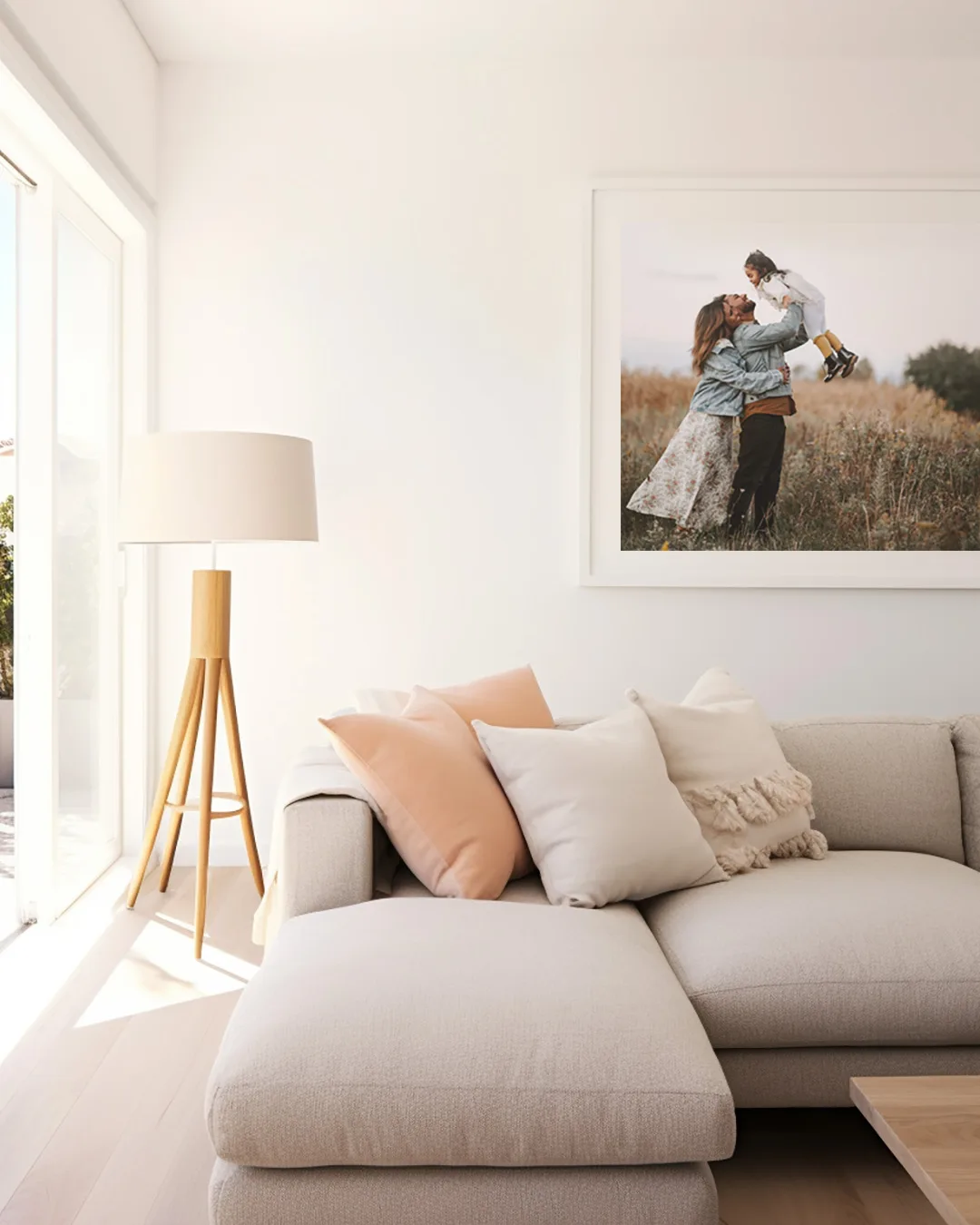
When a child repeatedly sees themselves held in their mother’s arms, laughing with siblings, standing proudly between their parents, they internalise something simple but powerful: I belong here.

Over time, those small visual reinforcements become part of how they see themselves — and how secure they feel within their family.

Part Two

Photos Strengthen Narrative Memory — and Family Connection

When children point to a photograph and ask — “Was I really that little?” “Where were we here?” “Tell me about this day.” — they are not just being curious. They are building narrative memory.

Psychologists describe narrative identity as the internalised story we construct about who we are and where we fit. Family storytelling strengthens emotional resilience, continuity, and belonging.

A photo on the wall becomes an anchor for that story. It invites conversation. It invites memory. It invites reflection.

Children don’t ask about a photo because they’re curious. They ask because they’re writing the story of who they are — and they want to know they’re in it.

Jennifer Henderson, Co-Founder Love JK

Digital images stored on a phone are fleeting. They require intention to revisit. But a photograph displayed daily becomes part of the lived environment — quietly prompting connection without effort.

It turns memory into something embodied, not archived.

Part Three

Visual Cues Shape What We Prioritise

Environmental psychology shows that what we see repeatedly influences how we feel and what we value.

A home filled only with objects and trends reflects style. A home that includes personal photographs reflects life.

When we see images of our children laughing, a grandparent’s smile, a wedding embrace — we are gently cued toward gratitude, continuity, and perspective.

In a world of constant scrolling, where most content disappears in seconds, printed photographs slow us down. They act as emotional anchors.

They remind us: This is real. This is lasting. This is what matters.

For adults, that daily visual reinforcement can subtly regulate stress, increase feelings of connectedness, and ground us in meaning — especially in seasons of chaos.

Most of what we scroll past disappears in seconds. A photograph on the wall is a daily argument for what lasts.

Part Four

Personal Photographs Make a House Feel Like Home

Beautiful interiors create atmosphere. Personal images create attachment.

Attachment theory tells us that security is built through familiarity and emotional safety. When children grow up surrounded by visible memories of shared experiences, they associate their home environment with stability and belonging.

It becomes more than a physical space. It becomes an emotional base.

Photographer Name, Photography Studio

For adults, too, familiar photographs can increase feelings of rootedness — particularly during life transitions: new babies, moves, loss, change.

They say: You are safe here. You are part of something. This is your place.

Frame the People Who Matter Most
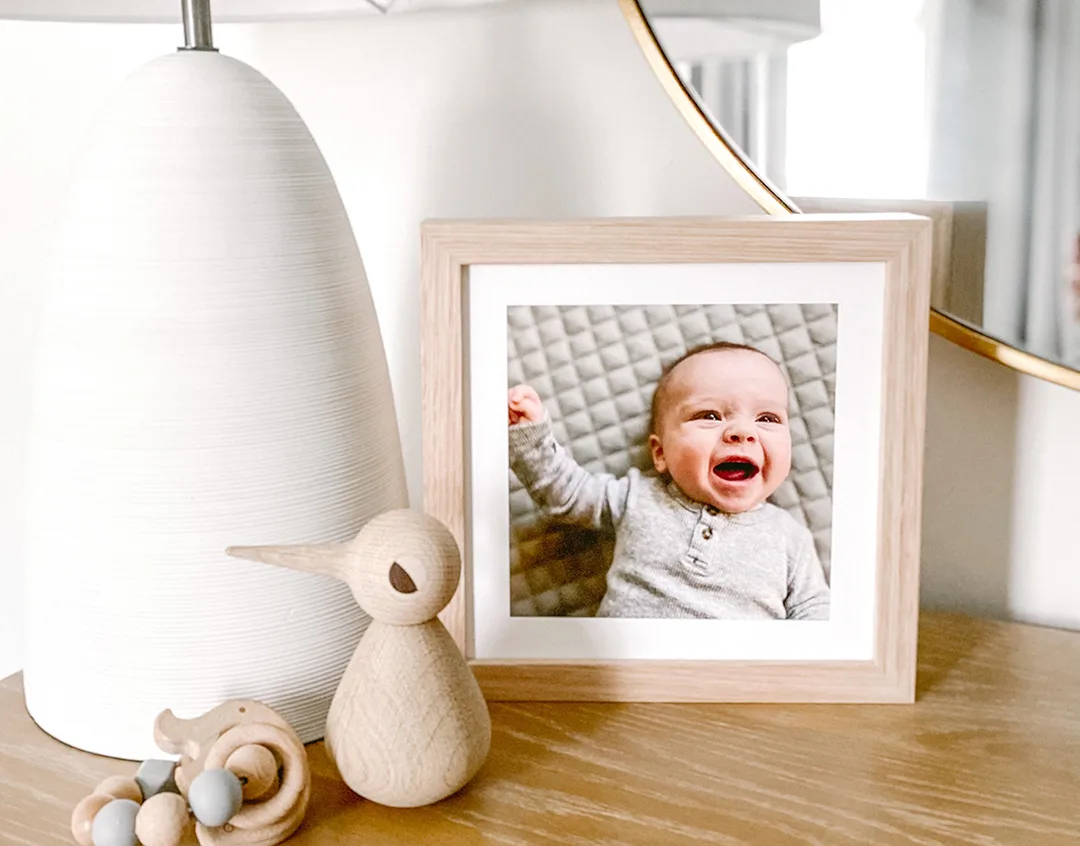
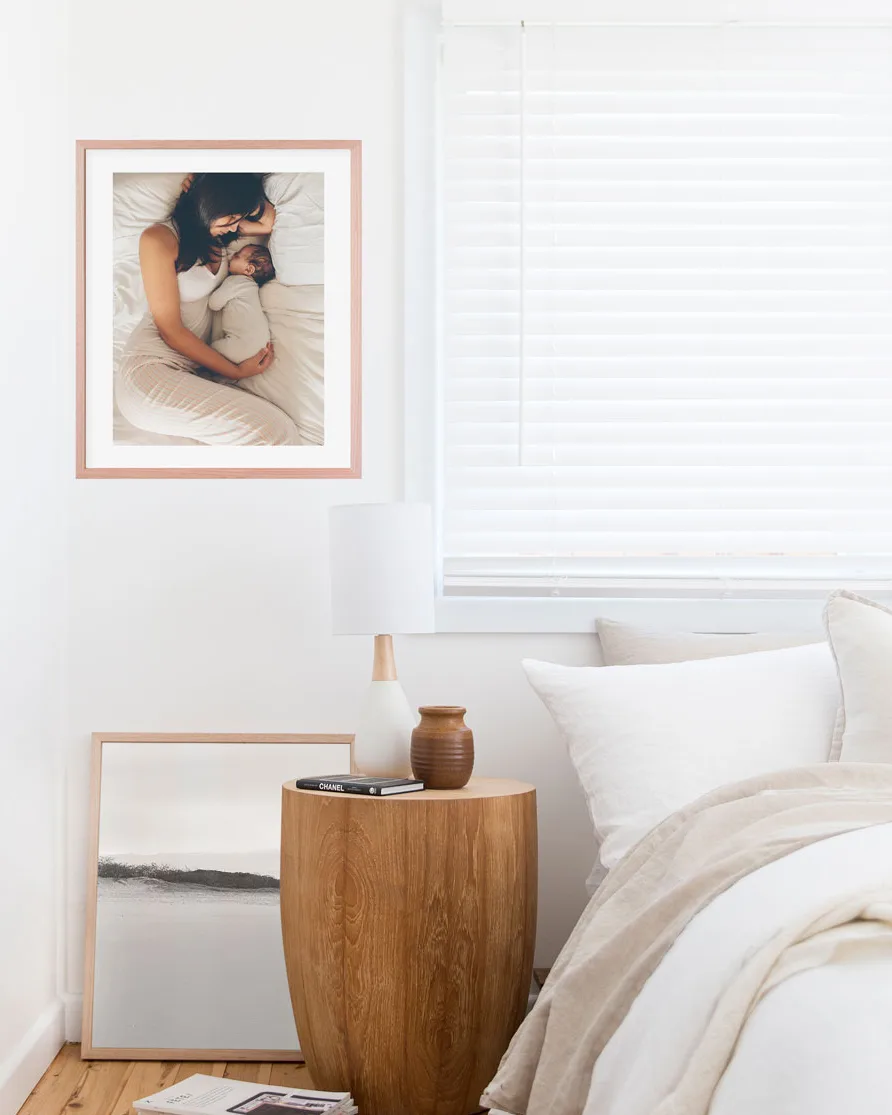
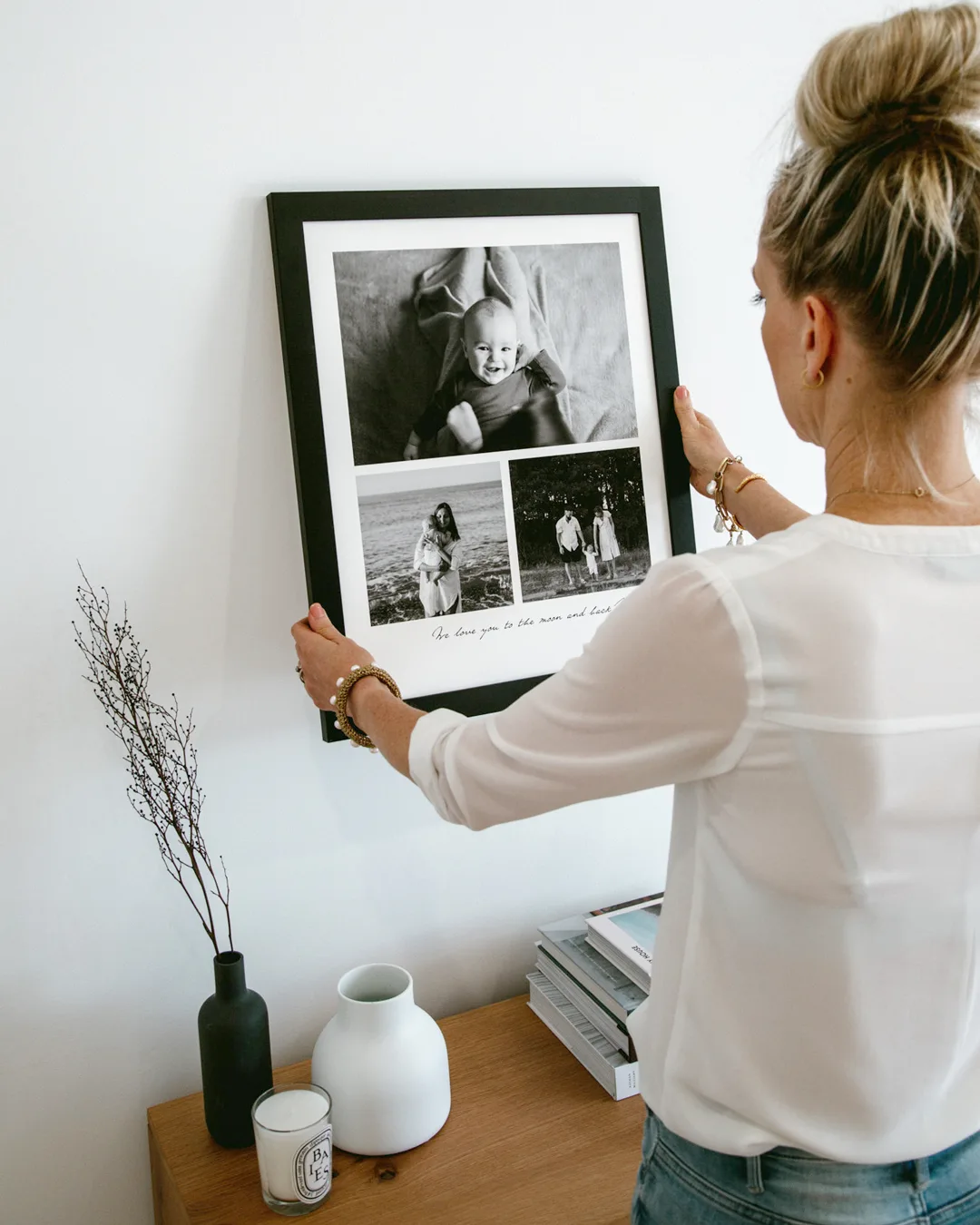
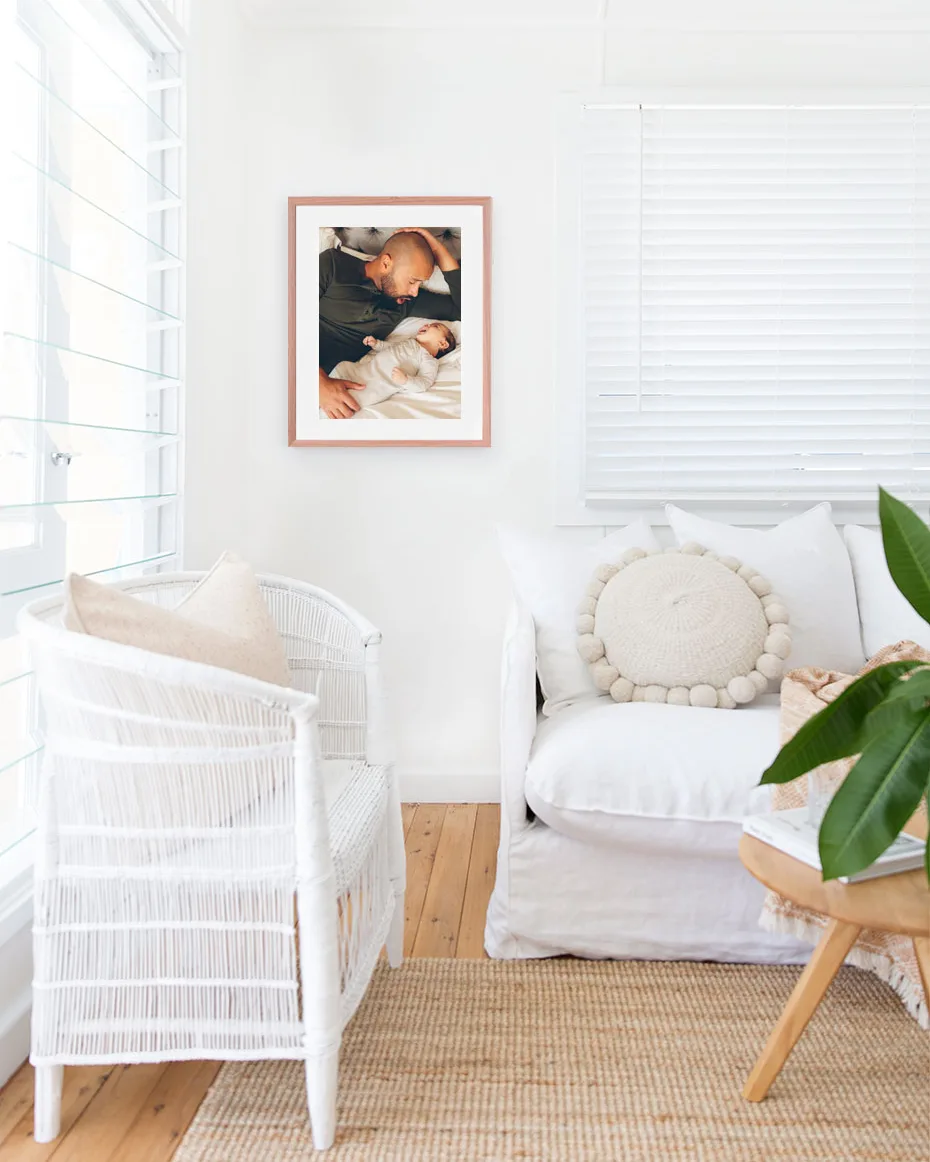
Single Framed Print
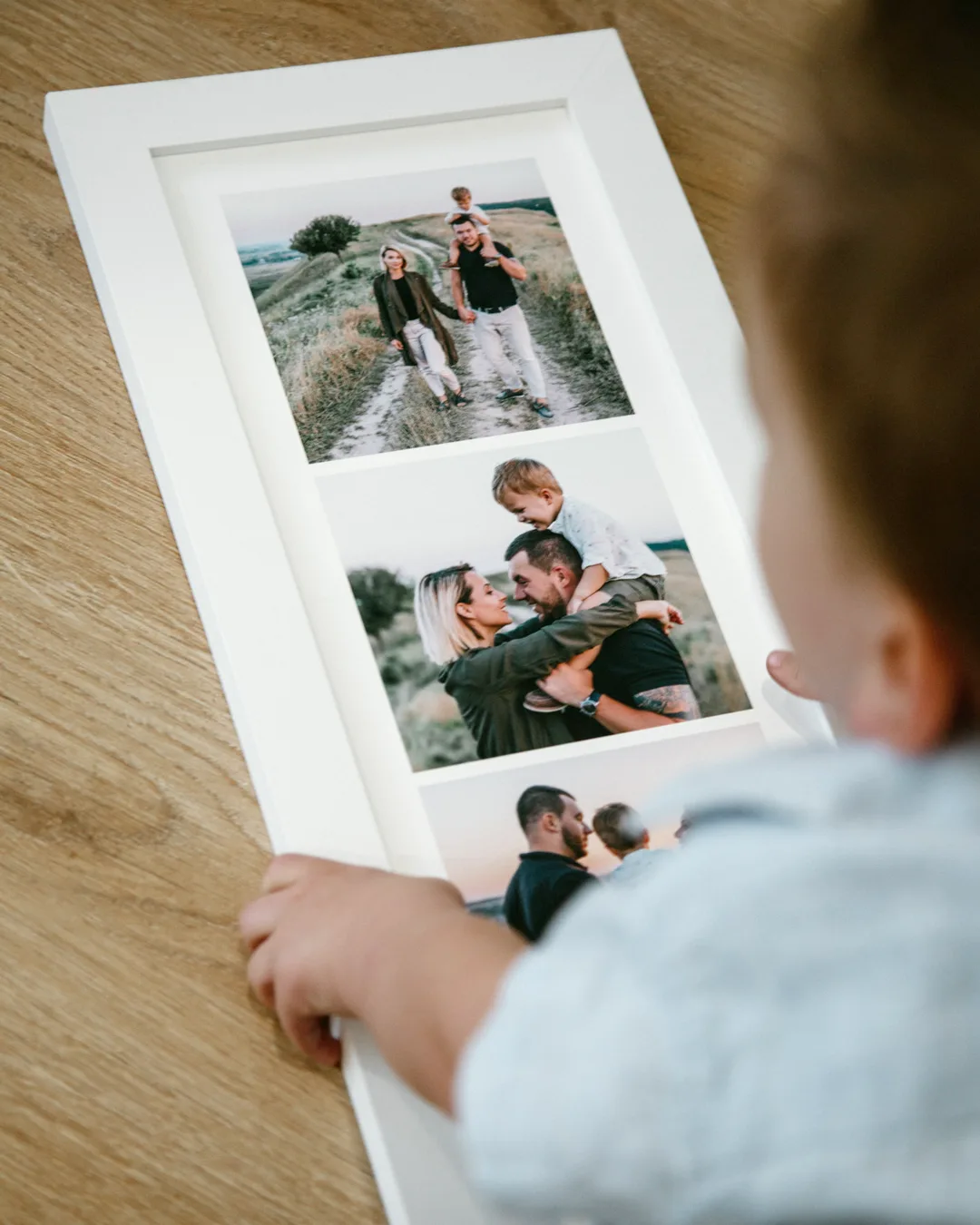
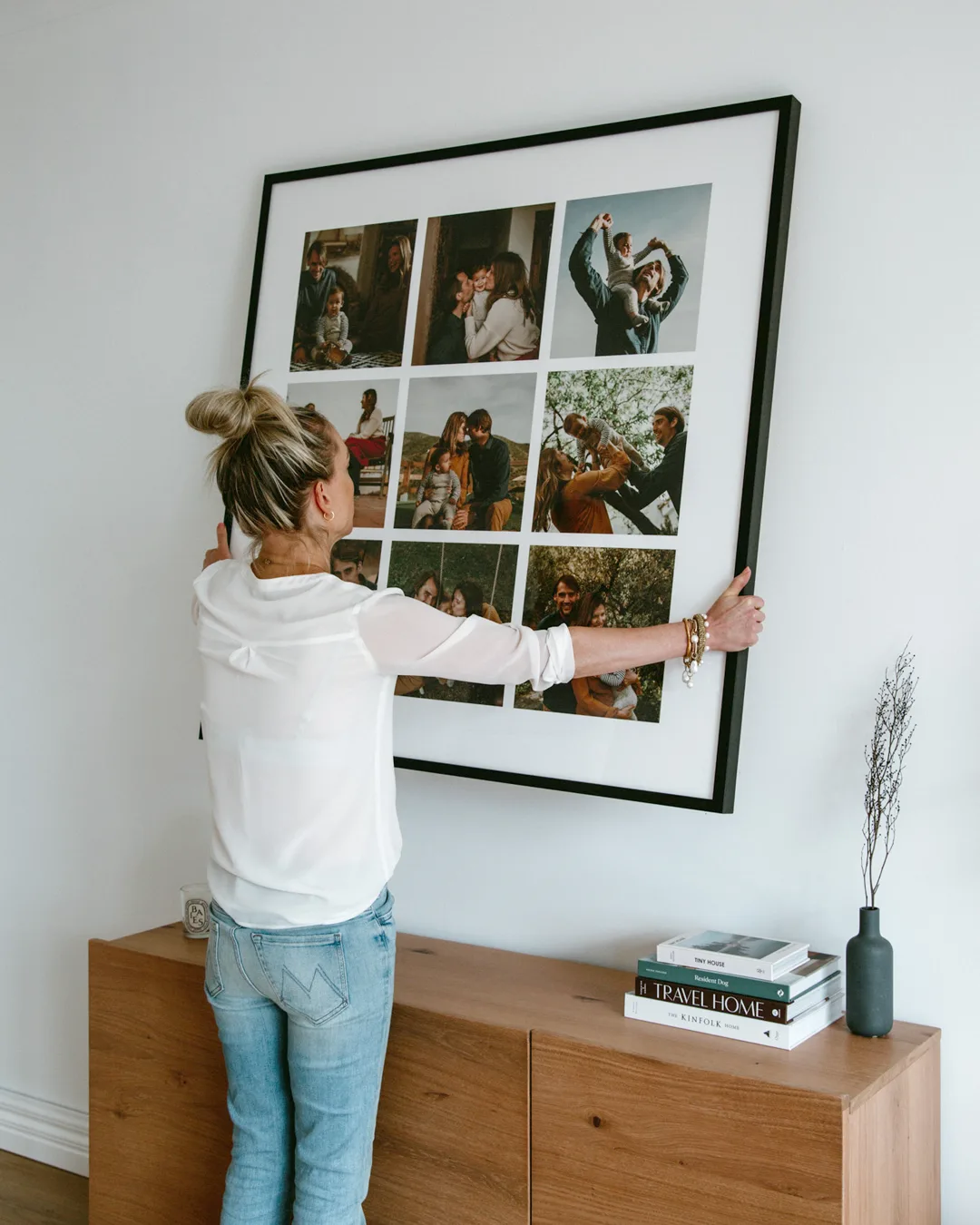
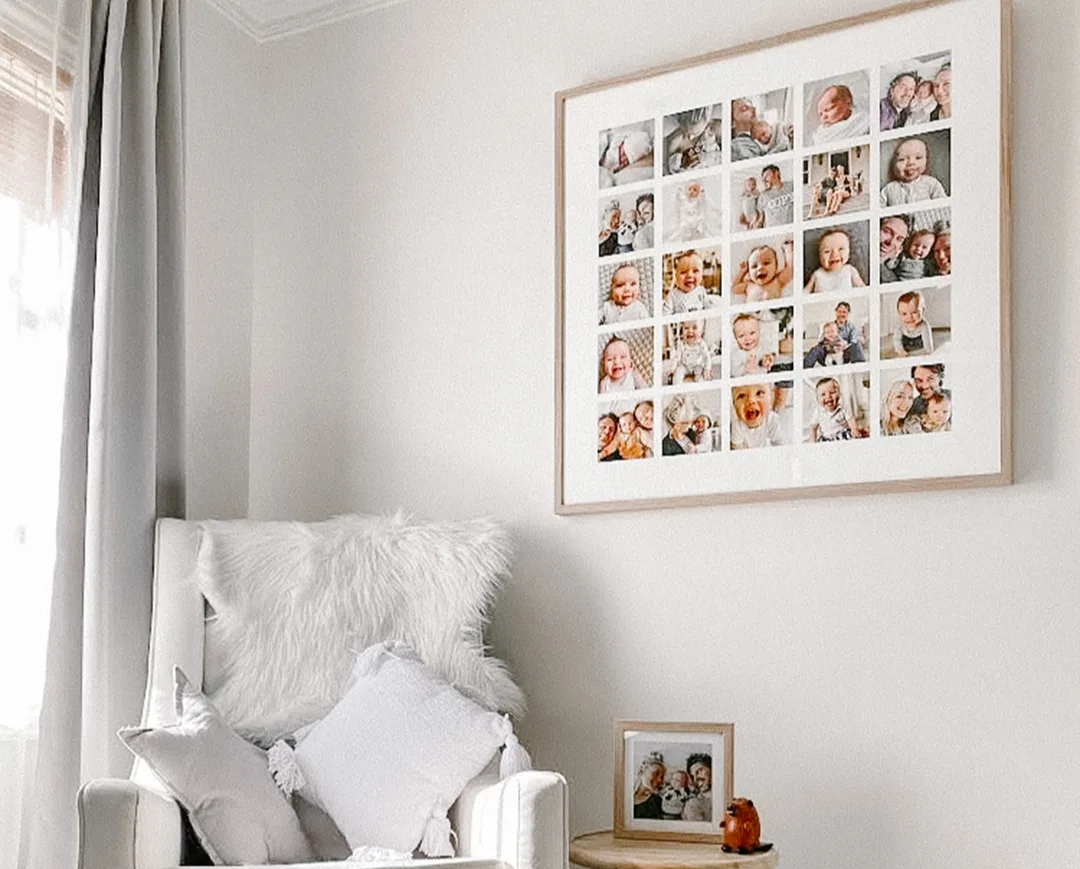
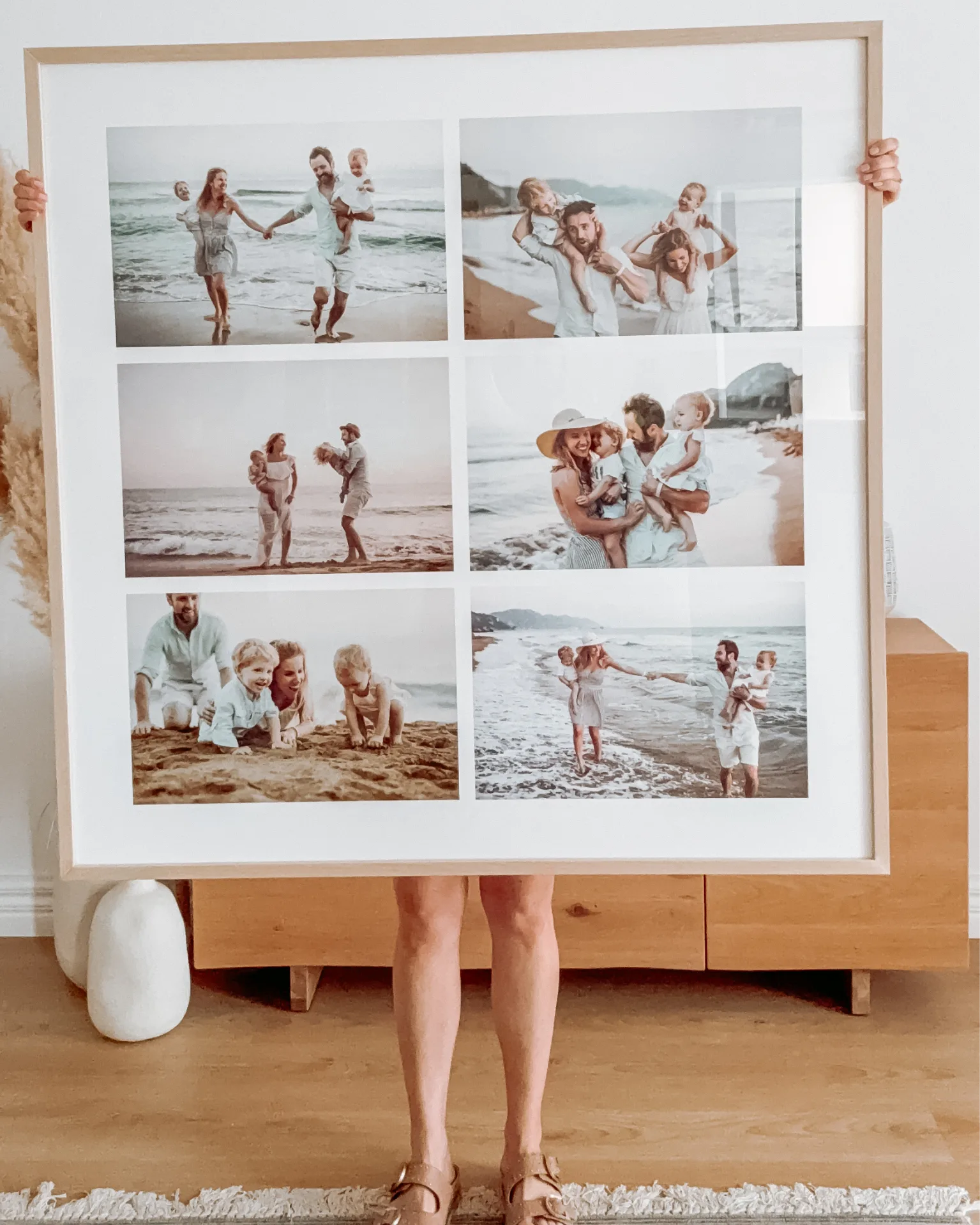
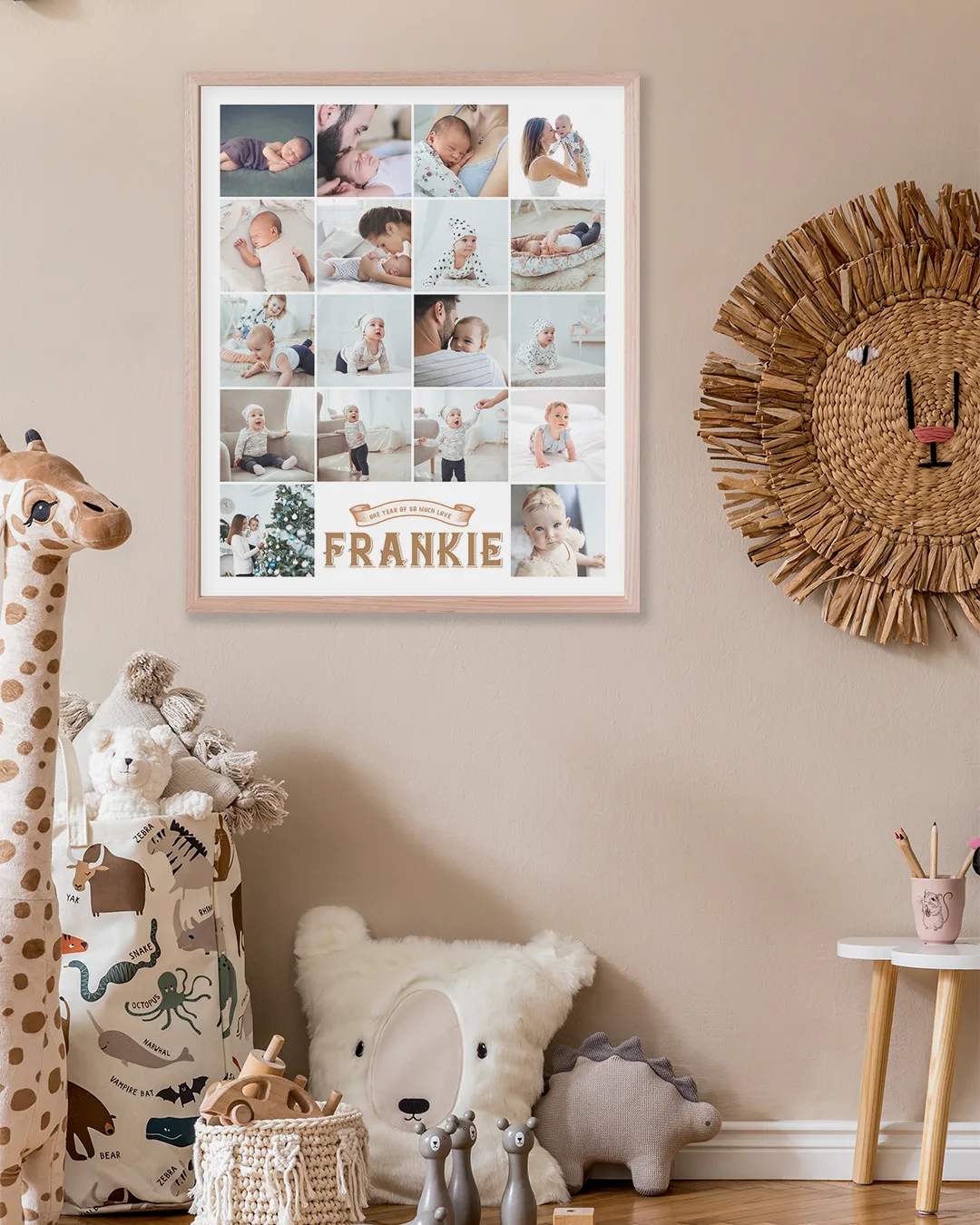
Collage Framed Prints
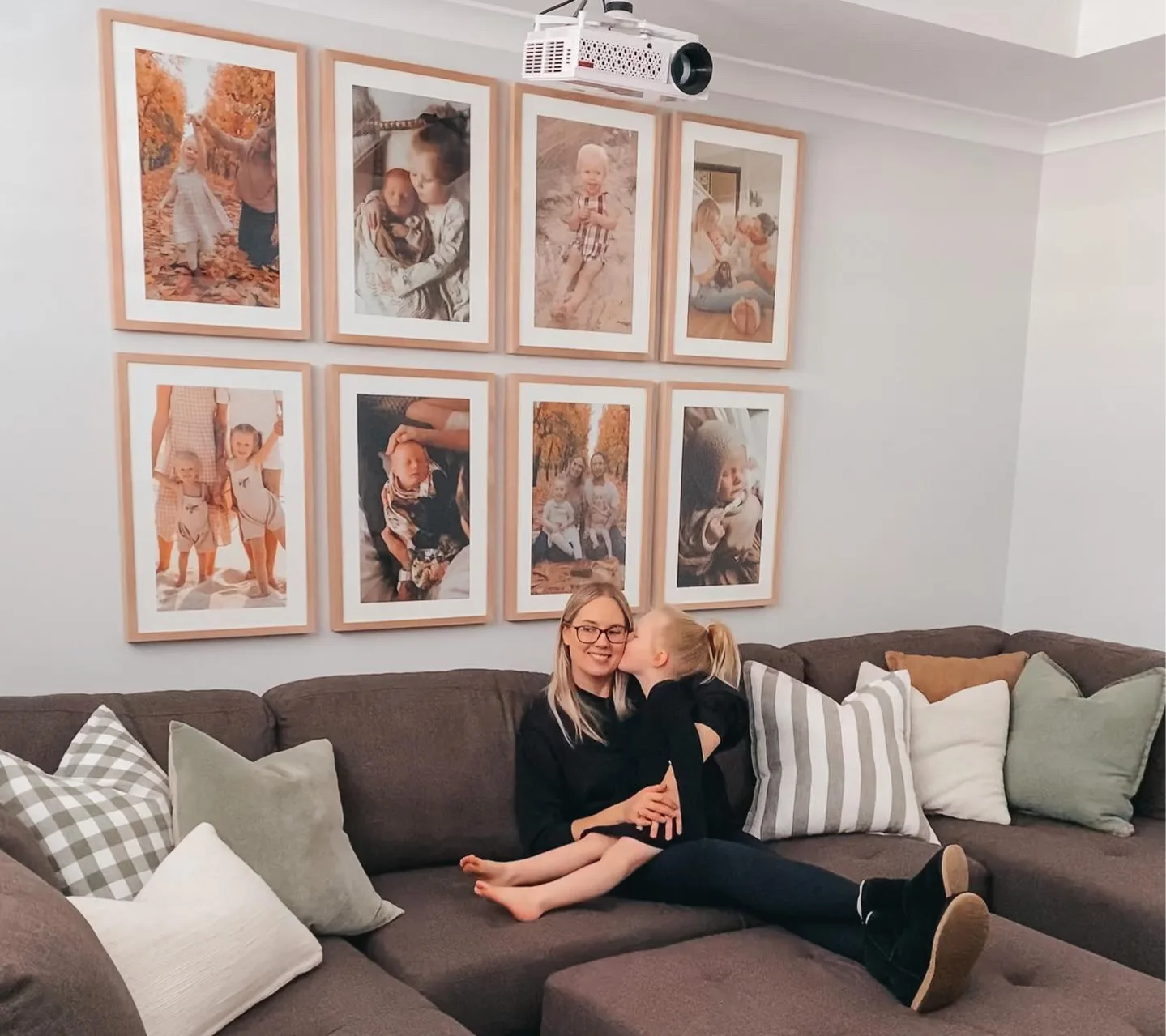
XL Framed Prints
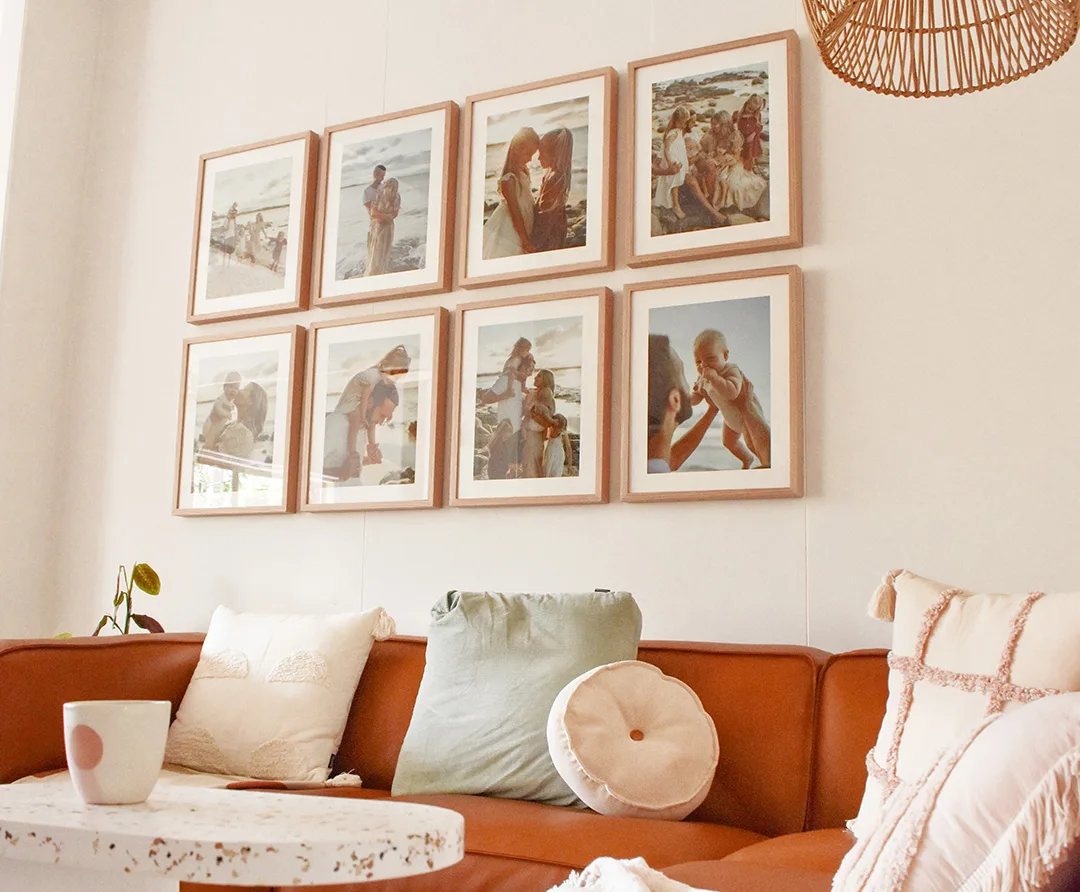
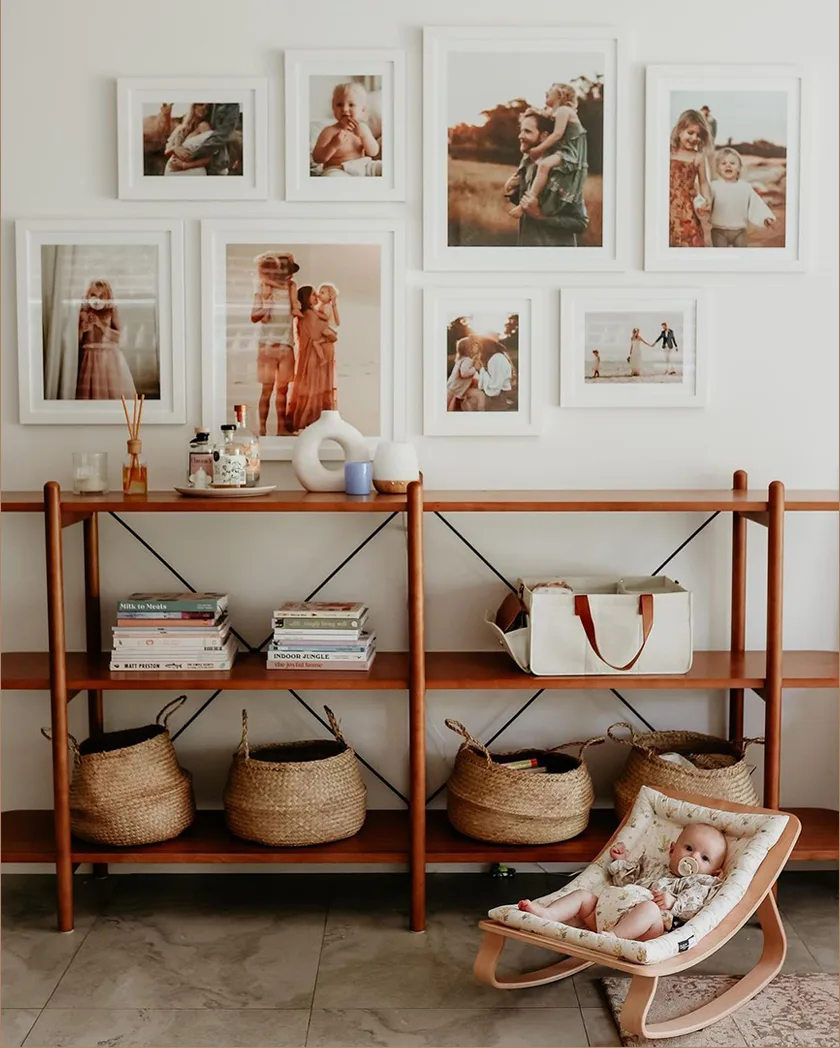
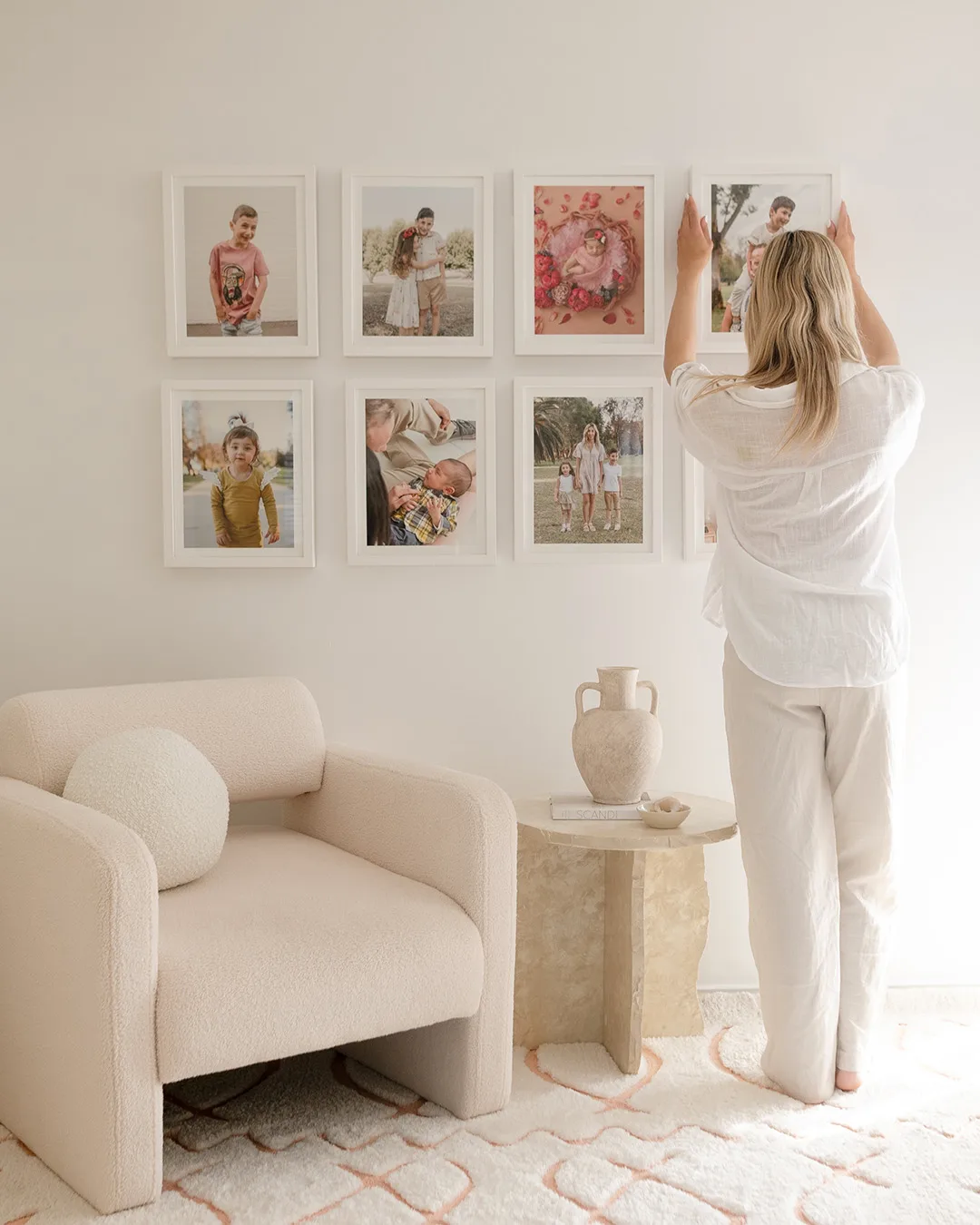
Gallery Walls
In Closing

What You Choose to Frame Shapes Your Emotional Architecture

Not every photo needs to be displayed. But the ones you choose become significant.

They become part of your home’s emotional architecture — reinforcing identity, strengthening connection, shaping how your family sees itself over time.

You may not notice the effect consciously. But children do. And so do we.

The frames on your walls aren’t decoration. They’re the story your children grow up inside — the quiet proof of who they are and where they belong.

Jennifer Henderson, Co-Founder Love JK

Because walls are never neutral. They tell a story.

The question is — what story are yours telling?

Framed Prints
Gallery Walls
XL Framed Prints
Birth & First Year Prints